Varian Onderzoek & Innovatie
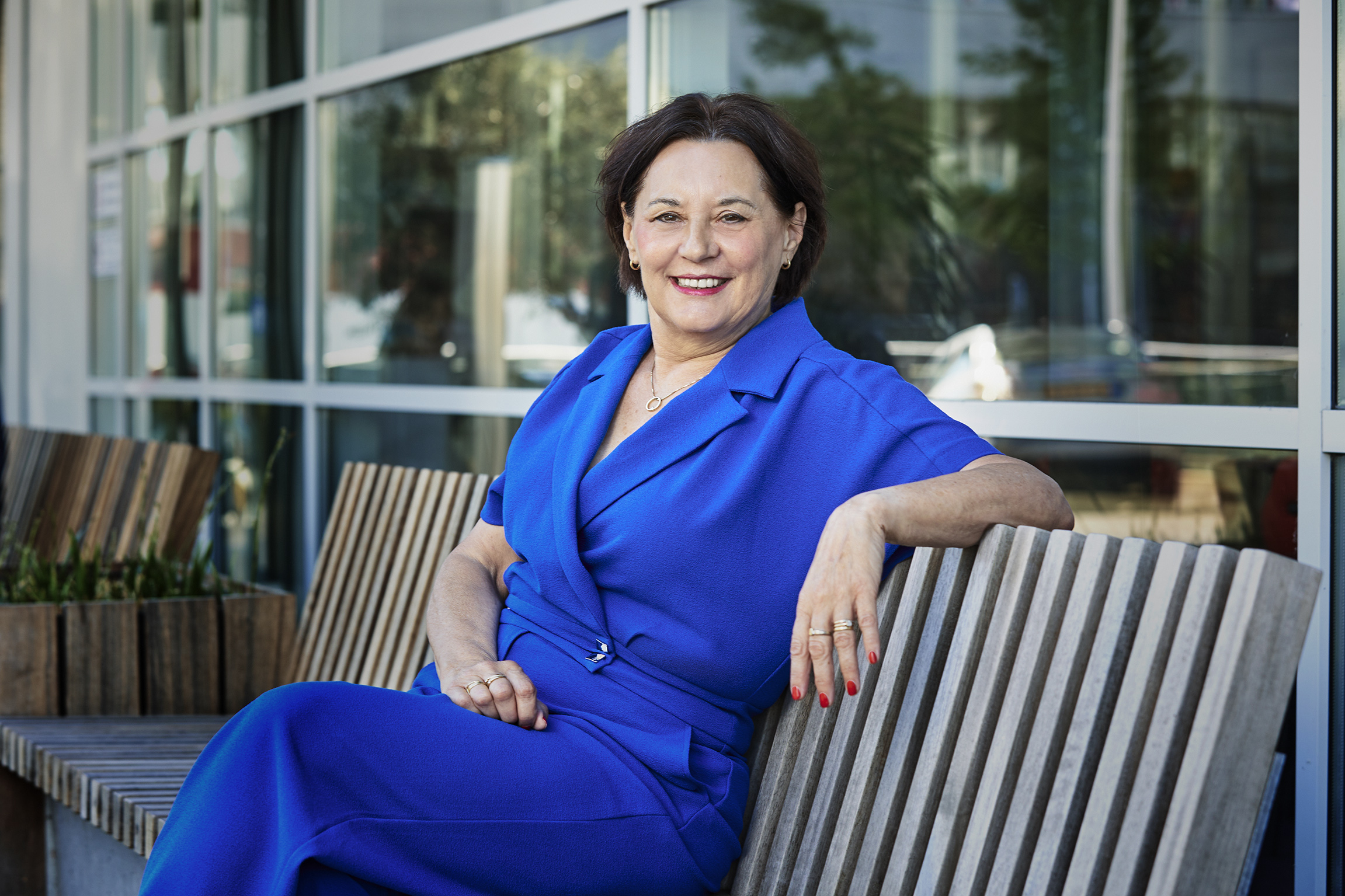
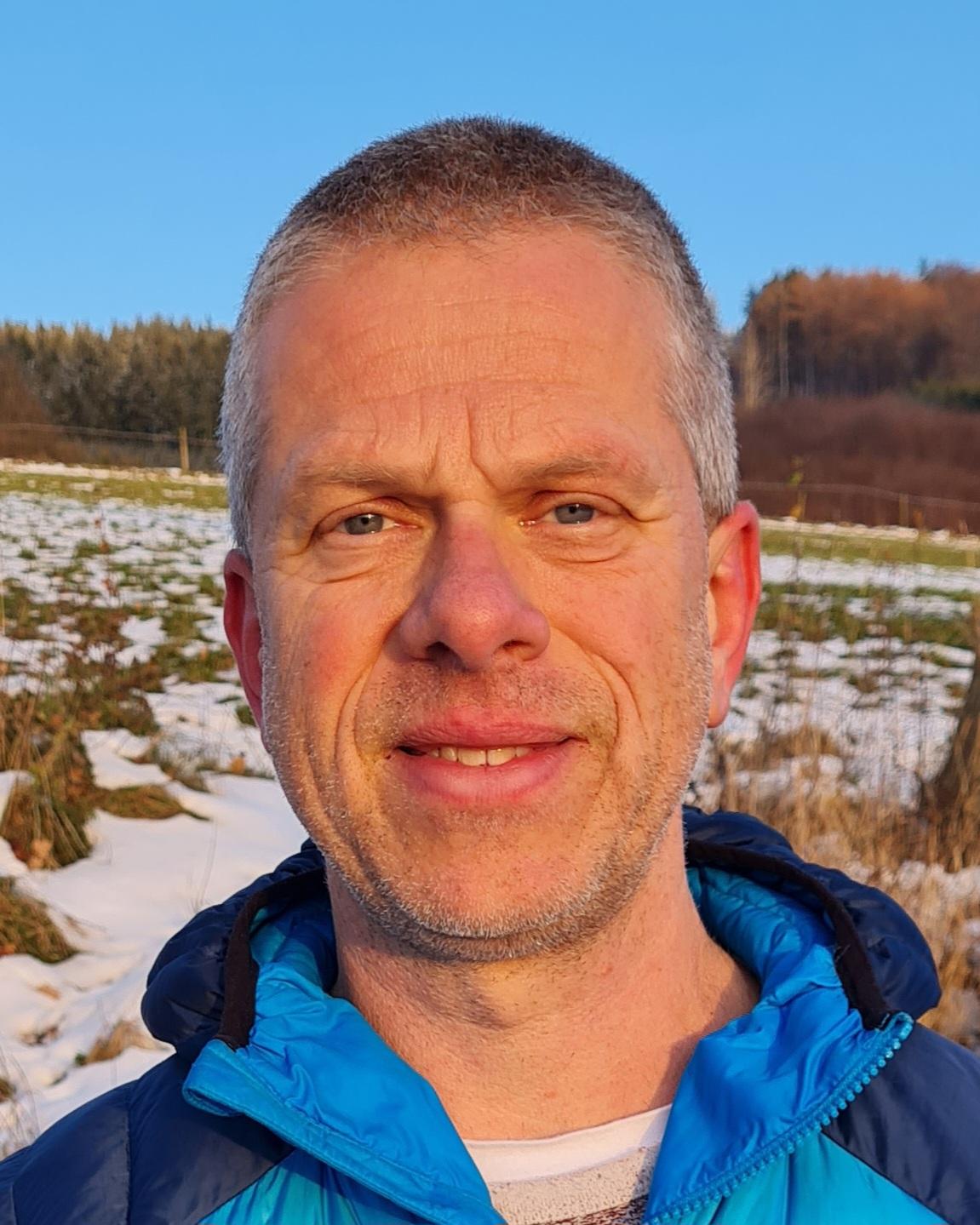
Interview Wilko Verbakel, Principal Research Scientist Varian Medical Systems, januari 2024
Wilko, wat is jouw functie bij Varian en waar hou je je vanuit die functie mee bezig?
Ik ben Principal Research Scientist en hou mij vanuit die rol bezig met onderzoek dat plaatsvindt binnen Varian en bij onze klinische partners.
Het team dat ik aanstuur, heeft ten doel de research van deze partners enerzijds en de innovatie ontwikkelingen bij Varian anderzijds goed op elkaar te laten aansluiten. Daarnaast geven we klinische input voor onder meer nieuwe ontwikkelingen of workflows.
Wij proberen er als team voor te zorgen dat de partnerresearch goed haar weg vindt naar de Varian collega’s die zich bezig houden met product innovaties en dat de kennis die uit onderzoek vergaard wordt, zo optimaal mogelijk ingezet wordt voor product development.
Wat doen jullie als team om dit doel te realiseren?
Wij proberen de partners richting te geven in de factoren die onderzoek voor een organisatie als Varian interessant maken en andersom leren de research projecten ons waar de interesse ligt voor toekomstige innovaties.
Wij inventariseren alle onderzoeksprojecten, zoeken thema’s uit en brengen partner onderzoekers en Varian (innovatie) collega’s bij elkaar om kennis over die thema’s uit te wisselen. Ook proberen wij meer te halen uit de research rapporten. Door op onderwerpen in die rapporten die onze interesse hebben door te vragen en door bijvoorbeeld ook vragen te stellen over zaken die niet (altijd) in rapporten worden vermeld. Zo is het voor een organisatie als Varian ook interessant om te weten wat er niet werkt.
Jij hebt zelf een klinische achtergrond. Kun je daar meer over vertellen?
Ik ben van 2004 t/m 2023 als klinisch fysicus werkzaam geweest bij Amsterdam UMC. Daar heb ik naast mijn werk in de kliniek zelf sinds 2007 veel onderzoek verricht en ben ik betrokken geweest bij de ontwikkeling van diverse Varian producten, zoals RapidArc, RapidPlan, protonen RapidPlan en FLASH. Vanuit mijn rol nam ik ook deel aan het Intelligent Adaptive Consortium.
 Wat heeft jou ertoe gebracht de overstap naar Varian te maken?
Ik begeleidde veel promovendi die hun onderzoek presenteren in publicaties en ervaarde dat deze publicaties en de uitkomsten daarvan niet altijd de weg vinden naar product ontwikkeling. Als je een wetenschapstijdschrift als the International journal of Radiation Oncology, Biology and Physics, in het werkveld bekend als The Red Journal, van een aantal jaren geleden zou pakken en de destijds gepubliceerde onderzoeksuitkomsten zou bekijken, zou je je verbazen over het lage percentage dat uiteindelijk een klinische relevantie en/of toepassing heeft gehad.
Nu ik zelf bij Varian werk, hoop ik een grotere invloed te kunnen uitoefenen op de vertaling van waardevolle onderzoeksuitkomsten naar radiotherapie innovaties. Ik zie het als mijn rol om het potentieel van onderzoeksuitkomsten optimaal te benutten.
Ons Varian Investigator Initiated Studies programma ondersteunt meer dan 320 onderzoeksprojecten die een breed scala aan technologisch en klinisch onderzoek vertegenwoordigen.
Wat maakt in jouw ogen een onderzoeksproject succesvol?
Projecten die vernieuwend zijn, die een technologische oplossing vinden voor iets wat nu nog niet mogelijk is. Dat hoeven niet per definitie projectuitkomsten te zijn die direct tot een product leiden. Succesvolle onderzoeksprojecten kunnen ook de waarde en impact van bijvoorbeeld nieuwe radiotherapie technieken als SBRT of andere vormen van hypofractionering demonstreren. Dit soort onderzoeksuitkomsten vormen een grote waarde voor het vakgebied en helpen ook de toegang tot radiotherapie in de wereld te vergroten. Het demonstreren van een efficiënte en succesvolle implementatie van een nieuwe radiotherapie techniek heeft ook veel waarde voor onze organisatie.
Er kan veel tijd overheen gaan voordat de waarde en toepassing van een onderzoeksuitkomst gezien wordt. Zo wordt er al 10 jaar lang waardevolle research naar adaptieve radiotherapie verricht maar hebben al die uitkomsten pas recentelijk tot een concreet product, Ethos therapy, geleid. Een ander mooi voorbeeld is de toepassing van Artificial Intelligence en deep learning in de radiotherapie. Over AI wordt al meer dan 20 jaar gesproken maar de tijd dient ook rijp te zijn voor het tot wasdom komen van research uitkomsten. Tot 2018 waren er nauwelijks artikelen beschikbaar over deep learning voor automatische contouring. Door de komst van snellere computers en GPUs zag je vanaf dat jaar echter een immens snelle stijging van het aantal artikelen hierover en nu vormt het misschien wel één van de meest onderzochte onderwerpen in de radiotherapie.
Het succes van onderzoeken valt onder meer af te meten aan hun impact. Hou jij je hier ook vanuit je rol mee bezig?
Het is voor een organisatie als Varian erg waardevol om de (lange termijn) impact van onderzoeksprojecten te monitoren. De potentiële impact is één van de selectiecriteria waarop aangeleverde onderzoeksprojecten beoordeeld worden. Het is erg nuttig om achteraf te monitoren of de inschatting van deze impact ook juist is geweest. Het volgen van de impact van via ons programma gefinancierd onderzoek is dus ook een van mijn aandachtsgebieden.
Kun je ons nog deelgenoot maken van een belangrijk of verrassend inzicht, waar het op research & innovatie aankomt?
Als we naar onderzoek kijken, denken we vaak aan hoog technologische ontwikkelingen. Mijn ervaring leert dat relatief eenvoudige technologische ontwikkelingen evenveel of zelfs meer impact kunnen hebben.
Veel landen in de wereld hebben maar één radiotherapeut instituut of zelfs maar één of een enkele linac tot hun beschikking voor een enorme hoeveelheid patiënten. Efficiency bevorderende innovaties voor lage en middeninkomenslanden, denk aan oplossingen die radiotherapie workflows of het maken van radiotherapie plannen vereenvoudigen, hebben een veel grotere klinische impact dan een hoog technologische ontwikkeling voor een kleine patiëntengroep in een land als Nederland. Investeringen voor lage en middeninkomenslanden bereiken potentieel miljoenen patiënten, realiseren een ongekend volume aan patiënt touches.
Het is dus des te belangrijker voor onze organisatie om te sturen op de ontwikkeling van innovaties met maximale impact want dat brengt ons écht verder in onze missie: het realiseren van een ‘world without fear of cancer’.
Interview Michel Closset, Senior Manager Medical/Clinical Science Liaison Varian Medical Systems, February 2024
Michel, how long have you been employed at Varian, and what is your current role and responsibilities within the company?
I joined Varian 3 years ago as Medical Science Liaison (Senior Manager Medical/Clinical Science) and now I am leading the Varian Medical Affairs effort in EMEA, together with Konstanze Gunzert. Our 3rd team colleague Nour Uri, medical doctor (Radiation Oncologist), is responsible for Medical Affairs, Training and Education in the Middle East and Africa.
I am originally a Medical Physicist and was before Varian already involved with Medical Affairs and research in the Radiation Oncology industry.
Where medical affairs used to be globally oriented, the focus is now shifting towards regional teams (AMERICAS, EMEA and APJI). This shift stems partly from the regional differences in research approach and language barriers we observe.
How would you describe the mission of your department and the goal of the Varian Investigator Initiated Studies
Progr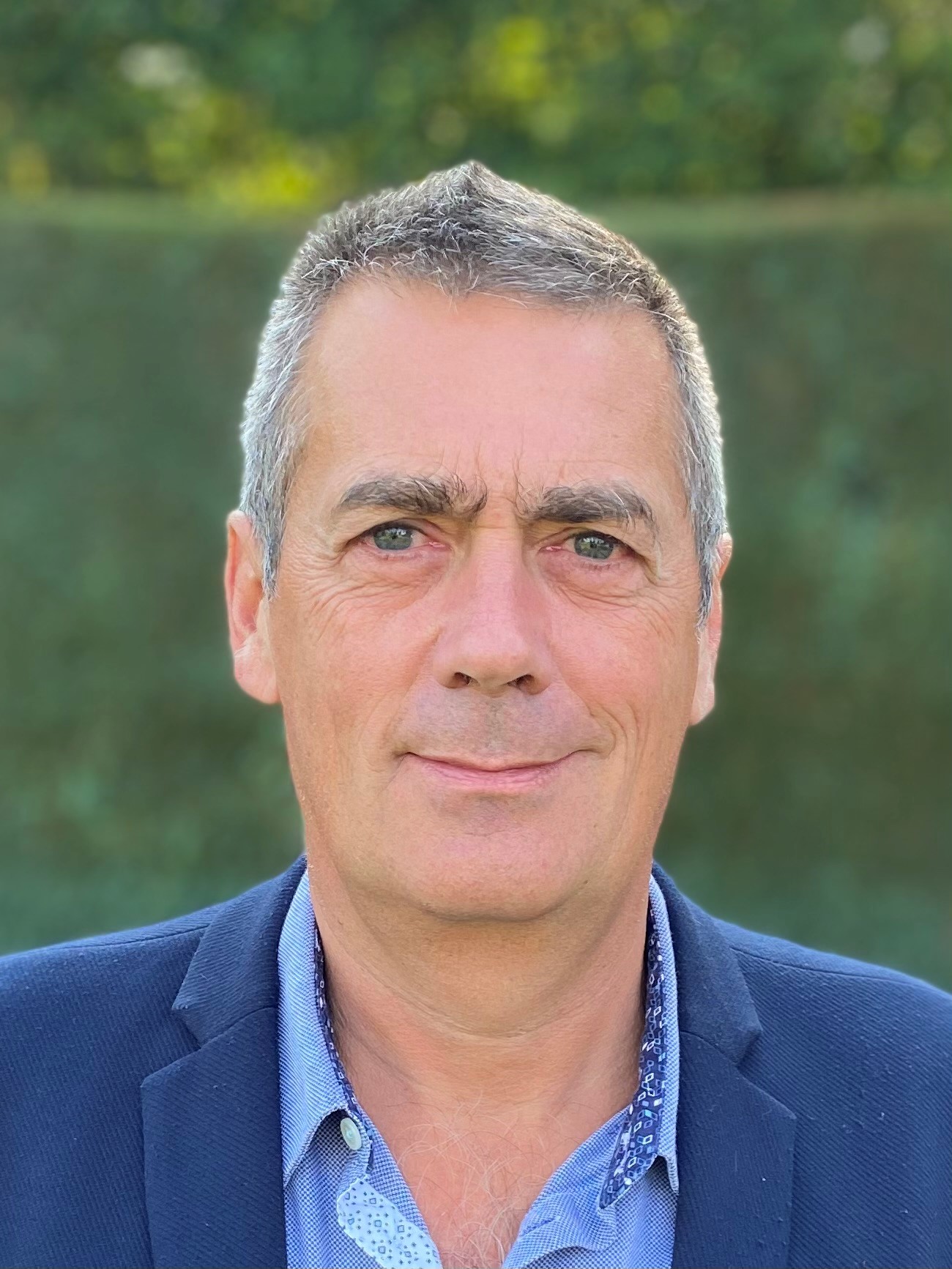 am?
am?
The Varian Medical Affairs mission is to engage with medical professionals to exchange meaningful clinical information, tools, scientific research, and expert opinion to beat cancer and other conditions utilizing radiation therapy. We strive to maximize the clinical potential of our products, research and development efforts and collaborative research partnerships with clinical investigators.
Our Varian Investigator Initiated Studies program helps develop novel ideas, probe clinical evidence of the benefits of radiation, and explore key data on emerging trends. The program supports over 320 research projects representing a wide range of technological and clinical research.
Can you provide some insights into the process followed in awarding Varian Investigator Initiated Studies?
The Varian Investigator Initiated Studies program is a competitive process and the review follows different steps:
- Project assessment. The first step is to engage with the Medical Science Liaison (MSL) to have a first assessment of your project. To see whether the project is sufficiently relevant and aligned with the priorities of Medical Affairs and to ensure that the application requirements regarding milestones, budget are met. Following this first contact and feedback, the Principal Investigator (PI) submits the application via the Varian online portal
- Application review by the MSL
- Pre-review by 2-3 internal experts (with a link to that domain of expertise) and Compliance Review
- Review by Grants Review Committee (GRC). The MSL presents the project and answers questions of the GRC. Once all projects have been reviewed and presented, the final ranking is made by the GRC. If approved, the PI of the project is informed and will receive a Research Agreement that details the terms of the award, including the handling of intellectual property, responsibility on clinical matters, confidentiality, project budget, payment schedule, requirements for progress reports, etc. The project begins after the Research Agreement is signed by the PI and the institution.
The review of the submitted applications takes place 4 to 5 times a year.
Varian funding is competitive. On what criteria are research projects evaluated in this program?
Evaluation criteria include alignment with Varian strategy and roadmap, novelty, cost, disruptive potential, fit within the overall portfolio of Investigator Initiated Studies, and potential to advance the field of radiation oncology – both clinically and technologically.
Varian interests regarding technology research include, but are not limited to, topics such as:
- adaptive radiotherapy,
- artificial intelligence,
- automation,
- cancer care management,
- clinical operations,
- cloud-based software solutions,
- imaging and motion management
Clinical research interests include, but are not limited to, topics as:
- Use and value of the Halcyon linear accelerator
- Use and value of the HyperArc treatment planning software and delivery
- Use of SBRT, especially for oligometastatic disease
- Comparative and cost effectiveness studies (e.g., RT vs non-RT modalities)
- Clinical studies in precision medicine, incorporating genomic and/or radiomic information into Varian systems
- Role of radiotherapy as an immune system modulator
- Evaluation of novel applications of radiation using linear accelerators for non-oncologic diseases
How do you prioritize research and development efforts to ensure alignment with both the company's goals and the needs of radiotherapy practitioners and patients?
The relevance of the innovation to current radiotherapy practice in Varian's division is really important, but Medical Affairs also funds medium- and long-term projects that have a less concrete link to our product portfolio. FLASH, for example, initially had no link to Varian's technology but the clinical potential from the 2014 publication was promising and Varian decided to fund several projects investigating Flash Technology as well as pre clinical studies. Can you elaborate on the distribution of grants across different research areas or disciplines?50% of funded projects involve clinical projects, the other 50% concern technical focused projects. The clinical projects include Treatment, Planning, Immunotherapy, SABR/SBRT, QOL and Implementation/Evaluation whereas the technology focused projects are related to Ethos, Halcyon, TrueBeam, Eclipse, FLASH, ProBeam.Are there mechanisms to encourage partnerships between researchers from different healthcare institutions?
Yes, we do allow multi-center projects, but we only contract with the Institution applying for an Investigator Initiated Studies project. Sub-contracting with additional sites is the responsibility of that institution.The Netherlands is known to take a pioneering role when it comes to innovations/research in radiotherapy. Do you have an explanation as to why we as a country take a leading role in this?
Radiotherapy departments and institutions in the Netherlands are large, compared to other countries. This offers more room to build and maintain expertise in clinical practice as well as developing quality research projects. Research also seems to be more deeply embedded in the DNA, mindset of healthcare institutions than in other places.More information on Medical Affairs and the Varian Investigator Initiated Studies Program:
Research | Varian